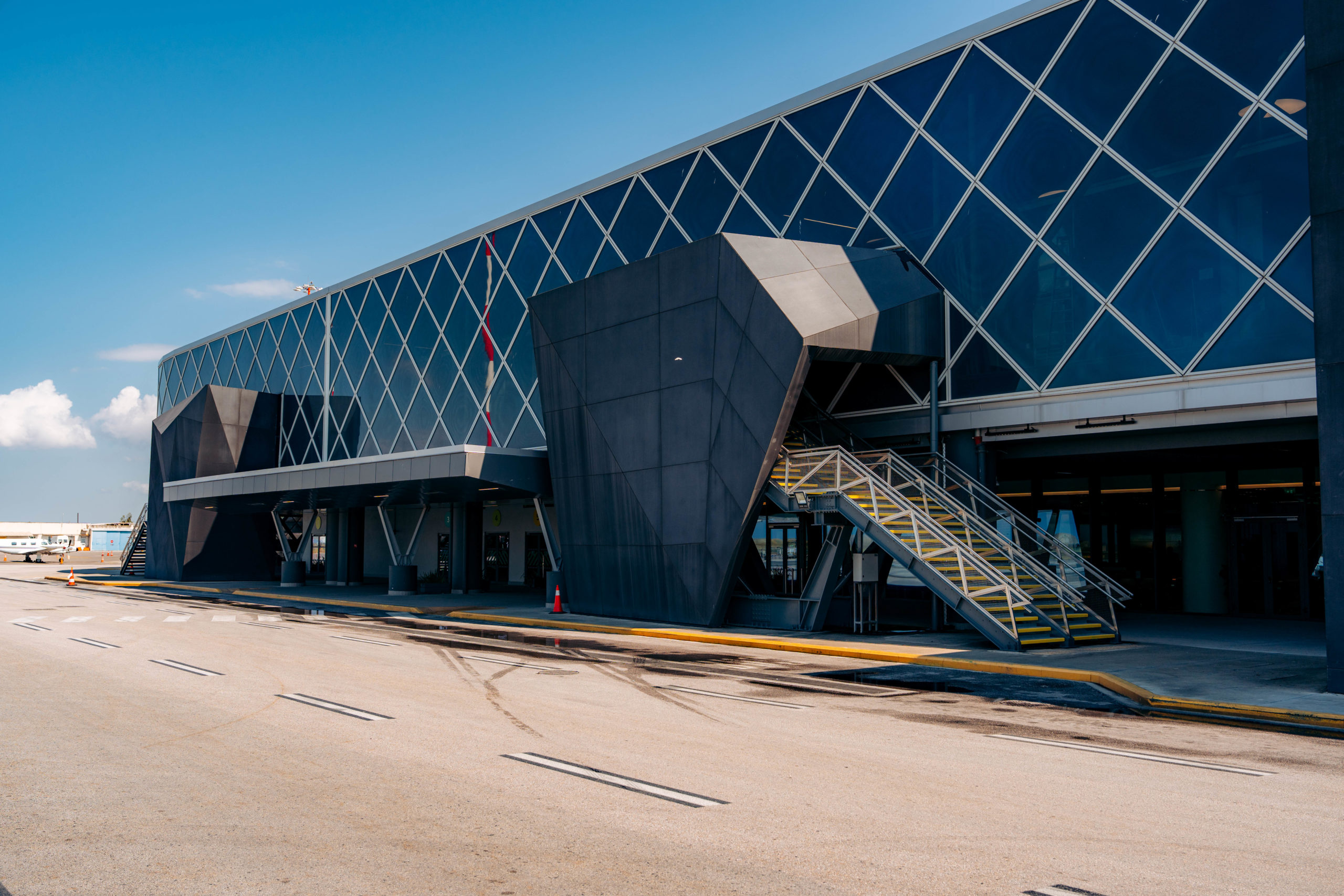
-244 million passengers have been transported since the concession began in 2017!

Fraport Greece continues its positive trajectory, as in September 2025 the 14 regional airports handled 5.5 million passengers, a 2.8% increase or approximately 149,000 more than in September 2024.
The extension of the tourist season was clearly reflected, with Ryanair and other low-cost carriers significantly boosting demand.
Santorini a hindrance
At the same time, Santorini (JTR) continued to negatively affect the overall numbers, recording a 15.2% decline or 65,000 fewer passengers due to limited schedules from key carriers, such as Volotea. However, the increase at airports such as Thessaloniki, Corfu, and Kos more than offset the losses, significantly contributing to the positive picture.


Israel’s momentum continues
The Israeli market was particularly dynamic, not only unaffected by the summer crisis, but also recording an impressive 40.1% increase, with approximately 39,000 additional passengers. The resumption of flights by Aegean and Wizz Air, combined with the strong presence of Arkia, EL AL, and Israir, further enhanced the flow. On the other hand, losses were recorded by the UK market (-23.7%), mainly due to reduced flights by Volotea and other airlines.


Flight capacity remained almost unchanged (85.4% vs. 85.6% last year), with Santorini showing the greatest improvement. In contrast, Mytilini, Rhodes, and Thessaloniki experienced a decline due to an increase in commercial flights that were not accompanied by a corresponding demand.
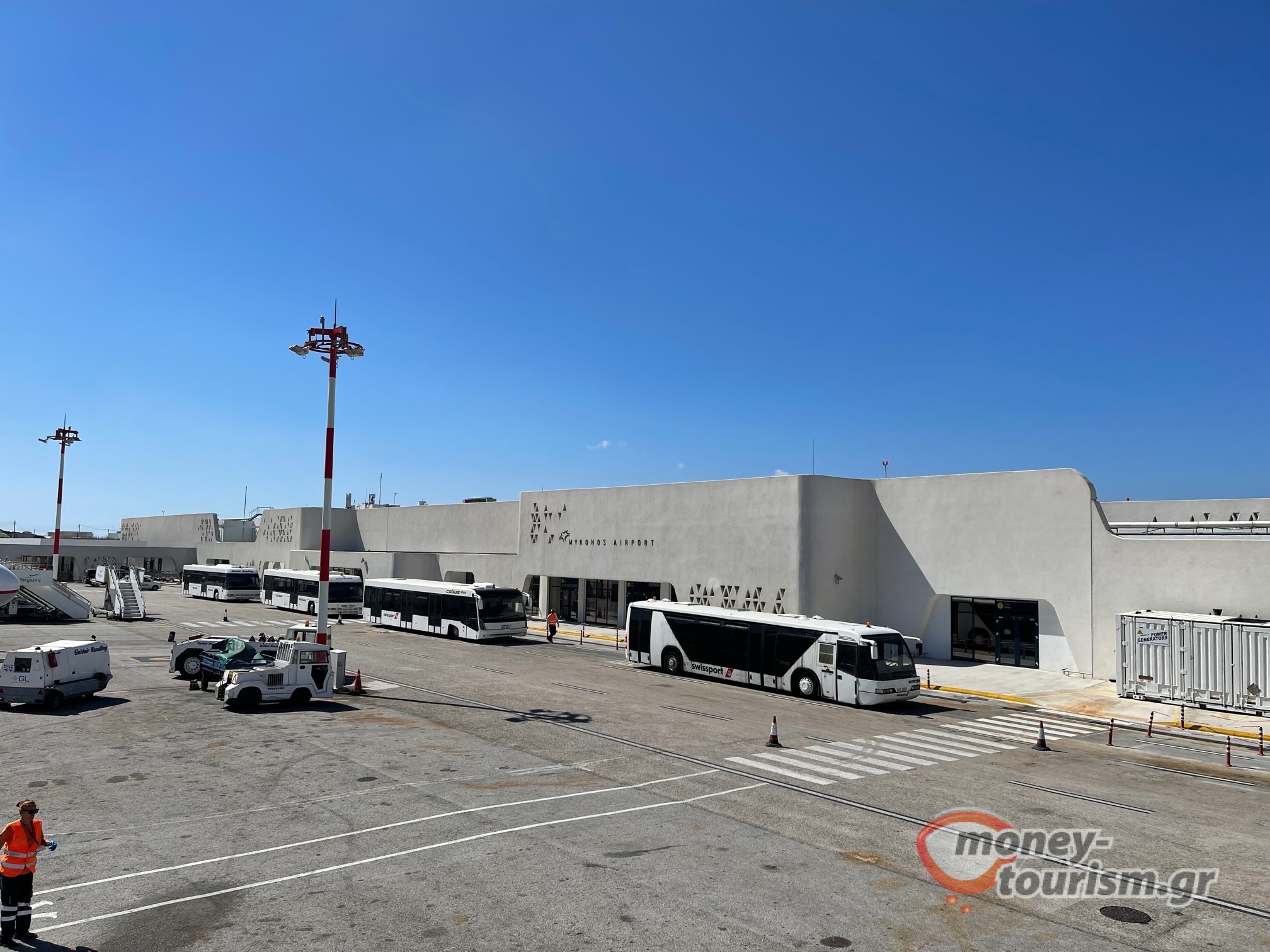
A similar picture in Corfu (CFU), which recorded +7.8% or +56.5 thousand passengers, with a peak in Germany, France, and Israel. Rhodes (RHO) moved slightly up (+2.2%), mainly thanks to the United Kingdom (+18,000), while Kos (KGS) continued its rally from this season (+5.4%).

Leading role for Thessaloniki, Corfu and Kos
Thessaloniki (SKG) continued to be Fraport’s most important city, with a 7.9% increase or +61.4 thousand passengers. The dynamic was linked to strong demand from Germany, Israel, and the domestic market, while Ryanair alone boosted traffic by 23,000 passengers.
A similar picture in Corfu (CFU), which recorded +7.8% or +56.5 thousand passengers, with a peak in Germany, France, and Israel. Rhodes (RHO) moved slightly up (+2.2%), mainly thanks to the United Kingdom (+18,000), while Kos (KGS) continued its rally from this season (+5.4%).
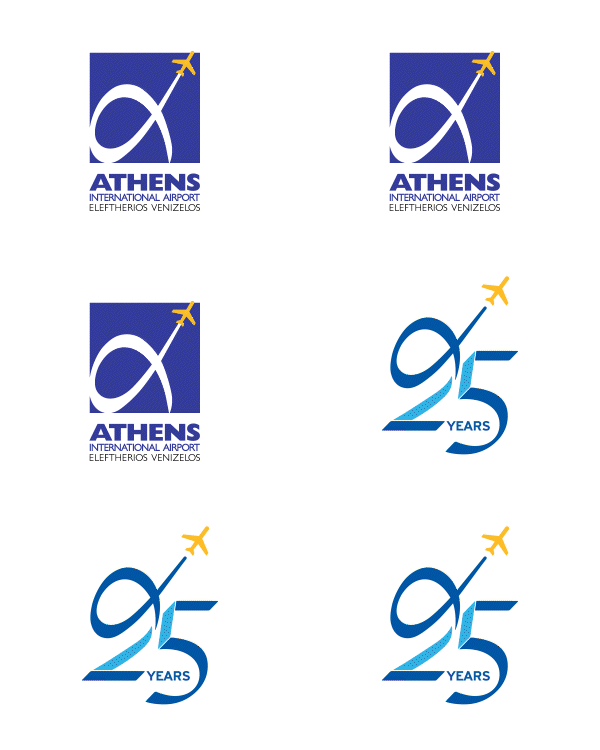
In contrast, Mykonos (JMK) experienced a 3.2% decline or -8,000 passengers, mainly in the domestic market. The decrease is attributed to the reduction in flights by Volotea and easyJet, although it was partially offset by increases in flights by Aegean, Sky Express, and EL AL.
The General Aviation (GABA) segment also showed significant growth, with a 3% increase in movements in September, with 61 more flights than last year. Mykonos maintained its lead in this area, while Thessaloniki recorded an impressive 32.9% increase (+74 movements), mainly due to additional weekend flights during the Thessaloniki International Fair (TIF).


Internal market – Stability with a strengthened role for Aegean
Domestic traffic reached 839 thousand passengers (+1%), with Aegean remaining dominant, occupying 64.3% of the market. Sky Express improved its share by +11.4%, while Ryanair increased its presence by +12%.

International market – United Kingdom and Germany at the top
Domestically, traffic was 4.63 million passengers (+3.1%). The United Kingdom remained the largest market (26.6%), although with a marginal increase, while Germany showed a strong increase of 7.1%. The contributions of Poland and Italy were also significant.

Ryanair stood out again, increasing its international traffic by 9.6% and reaching almost 1 million passengers, while TUI and easyJet made a steady contribution.


Total footprint
With September’s passenger traffic, Fraport Greece has now welcomed more than 244 million passengers since the concession began. This fall appears to be maintaining the momentum of the summer, with passengers supporting the extension of the tourist season and air carriers increasing their activity in the Greek islands.
Fraport Greece
Fraport Greece is one of the country’s leading airport operators, having taken over the operation and development of 14 regional airports in mainland and island Greece under a 40-year concession that began in 2017. The company is a joint venture of Fraport AG Frankfurt Airport Services Worldwide, the Copelouzos Group, and the Marguerite investment fund (2020 European Fund for Energy, Climate Change and Infrastructure).
Its mission is to modernize and upgrade infrastructure, with the goal of improving the passenger experience in accordance with international standards. Since taking over operations, Fraport Greece has invested significantly in new terminal buildings, runway reconstruction, and the implementation of digital technologies, with a focus on safety, efficiency, and sustainability.
2024 was a milestone year, as the company served more than 36 million passengers at 14 airports, marking a 6.4% increase year-over-year, which translates to approximately 2.1 million additional travelers. Domestic flights increased by 4.7%, while international flights increased by 4.2%, confirming Greece’s position among the fastest-growing tourist markets in Europe.
On an annual basis, Fraport Greece has up to 50 million euros available for upgrading facilities, while 146 million euros have already been committed for runway reconstruction projects to meet the latest standards of the European Aviation Safety Agency (EASA). Additionally, further investments of 200 million euros are planned to increase capacity at the airports of Kos, Corfu, Mykonos, and Santorini.
With this strategy, Fraport Greece has established itself as a stable pillar of the Greek aviation industry, making a significant contribution to the development of tourism and local economies.