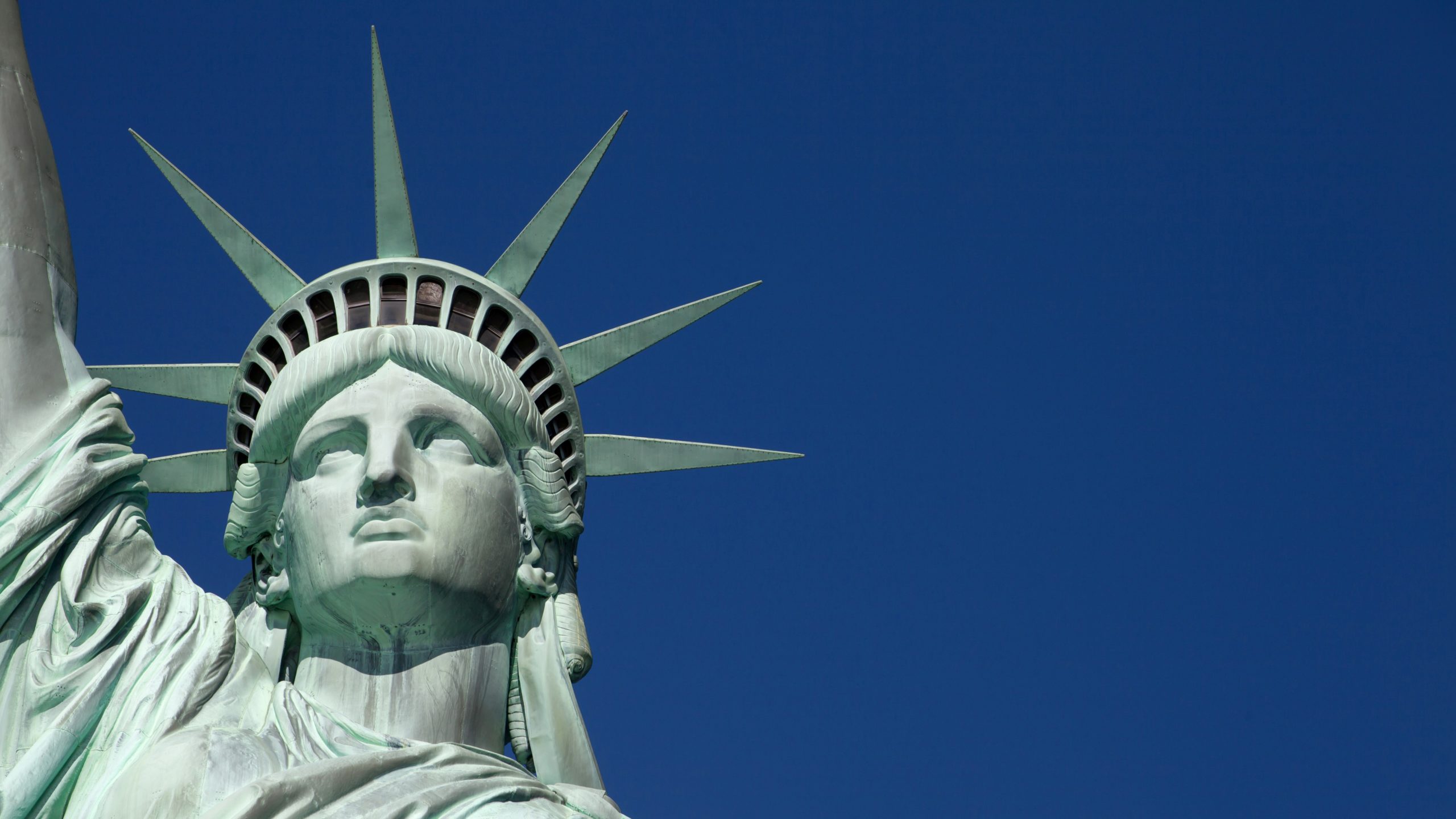
The partial shutdown of the federal government in the United States, the 15th shutdown since 1981, is not just a political impasse in Washington; it is already causing serious effects on tourism and the travel of millions of people.


The shutdown of a large portion of federal services and the furlough of approximately 750,000 employees translates to uncertainty for the airline industry, national parks, museums, and by extension, the image of the United States as a tourist destination.

The Federal Aviation Administration (FAA) is forced to ground thousands of employees, limiting its ability to oversee flights and train new controllers. Although security checks at airports (TSA) continue, staff remain unpaid, which may lead to delays, employee departures, and a slowdown in passenger flow. Airlines are already warning that problems will become apparent within a few days, with the possibility of flight cancellations not being ruled out.
On the front of travel documents, the process of issuing passports and visas may be significantly delayed. This affects American citizens who plan to travel abroad, as well as foreign visitors who are waiting for visa approval to travel to the US. This image is already creating insecurity in travel agencies and tour operators, who see the possibility of mass postponements.
The national parks, which attract tens of millions of visitors annually, are operating on a limited basis. Although the main areas may remain accessible, services such as cleaning, security, and visiting hours are expected to be drastically limited. This means that top destinations, such as the Grand Canyon or Yellowstone, will not be able to fully offer the experiences tourists expect. The same applies to federal museums and monuments, which are often key points in organized tours.
The economic damage is calculable and increasing daily. The shutdown costs approximately $400 million a day, while losses in the tourism sector are estimated to be over $1 billion a week if the crisis continues. During a period when the international tourism industry is recovering dynamically after the pandemic, the unrest in the US may affect the country’s attractiveness as a travel destination, with consequences that will be seen in the long term.
Meanwhile, the suspension of publication of critical economic data, such as the monthly employment report, fuels uncertainty in the markets. Wall Street futures fell, gold hit a record high, and the dollar was pressured. These developments reinforce the unstable environment in which the tourism industry struggles to plan safely.
Travelers are thus faced with a situation where political confrontation in Washington translates into practical obstacles to their movements. Depending on the duration of the suspension, the blow to tourism could prove to be particularly severe, both economically and in terms of credibility.