Total hotel transactions of €14.65 billion were recorded in Europe in 2025, according to the European Hotel Transactions Report 2025 by Global Asset Solutions, with luxury and upscale hotels attracting the most investment interest.


The study notes that investors took a cautious but strategic approach in an environment where geopolitical instability was offset by increased liquidity and a decline in inflation.
Strong travel demand continued to support the hotel industry in 2025. Air traffic in Europe surpassed 2019 levels, with passenger numbers reaching historic highs. Meanwhile, business travel has continued to recover gradually, boosting demand on weekdays in major European cities.



267 transactions and 45,000 rooms
A total of 267 hotel transactions were completed in Europe in 2025, corresponding to an investment volume of €14.65 billion. These transactions involved 45,052 rooms, with an average transaction value of €54.9 million and a price of approximately €325,000 per room.
In the luxury hotel sector, 34 transactions were recorded with a total value of €3.66 billion, with an average transaction value of €107.6 million.
The upscale and upper-upscale categories are also reflected in the development plans for new hotels. By the end of 2025:
- The Upscale category recorded 367 projects with 57,028 rooms
- The Upper-Upscale category reached record levels with 307 projects and 48,969 rooms
In total, these two categories represent approximately 39% of the projects and 42% of the rooms in the active pipeline of hotel investments in Europe, which includes 1,717 projects and 252,600 rooms.
Why investors are turning to luxury hotels
The CEO of Global Asset Solutions and author of the report, Alex Sogno, noted that investors are attracted to the resilience of high-end hotels.
As he explained, higher-category hotels maintain a stronger pricing power, supported by the continuous increase in average daily room rates (ADR) in key tourist destinations.
On the other hand, parts of the mid-scale market in urban centers are facing pressure on profit margins due to increased operating expenses, staff shortages, and greater customer sensitivity to prices.
Sogno notes that the Upper-Upscale category is of particular interest, as it combines higher pricing potential compared to midscale hotels, while also offering greater scalability and market liquidity compared to pure luxury projects.
The main markets for hotel investments
The four largest investment markets in Europe in 2025 were:
- France
- United Kingdom
- Spain, Germany
These countries attracted a total of €9.61 billion in investments, which is approximately 66% of the total value of transactions in the European hotel market.
Big deals of the year
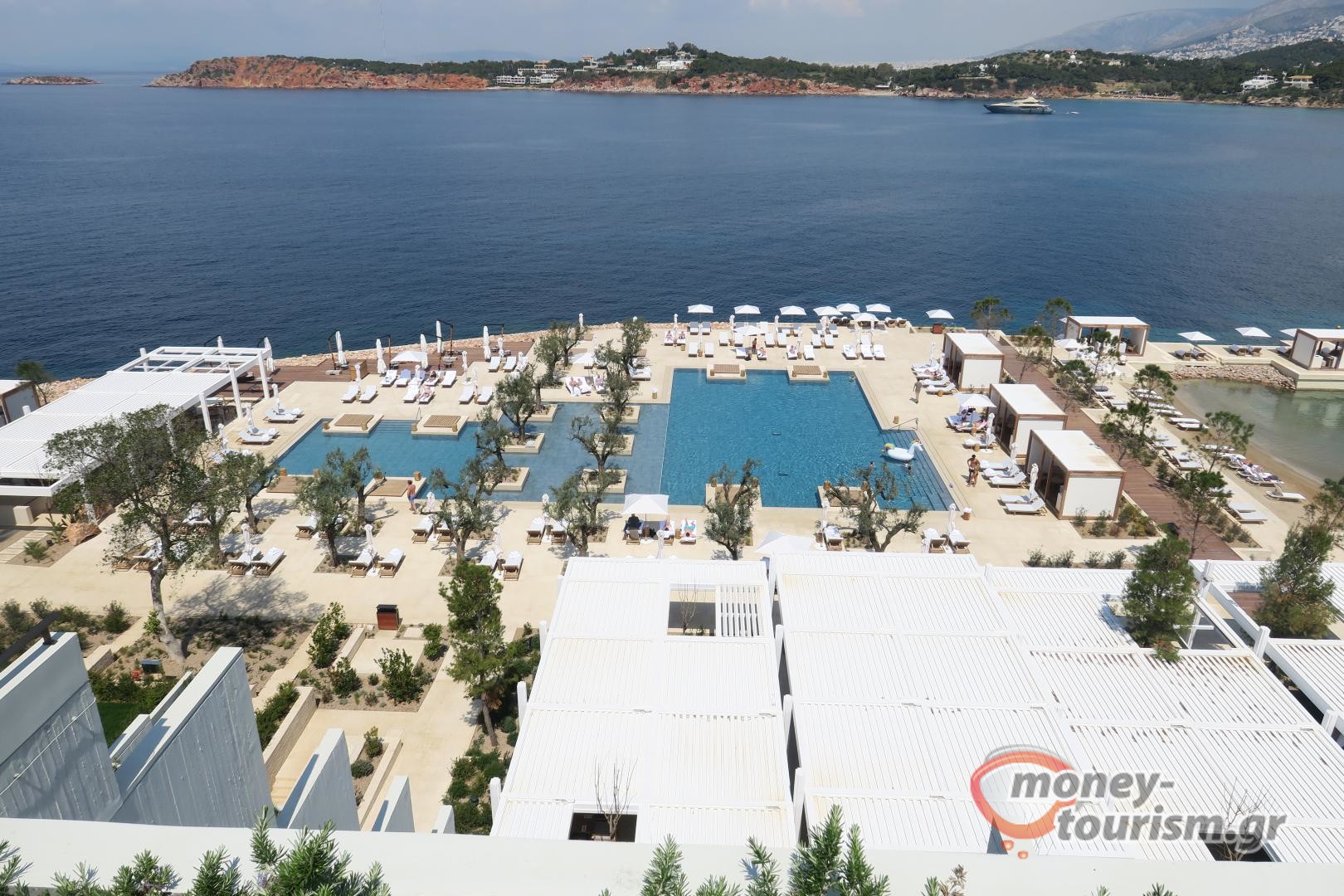
The ultra-luxury category also continued to attract significant investment interest. Among the year’s largest transactions was the full acquisition of Four Seasons Astir Palace in Vouliagmeni by Greek shipowner George Prokopiou.
The iconic Athenian Riviera complex, which includes two five-star hotels, was the second-largest hotel transaction in Europe in 2025. Prokopiou initially acquired a 33.75% stake in October 2024 for €150 million, valuing the complex at €450 million, while in February 2025 he agreed to purchase the remaining 67% from AGC Equity Partners, the National Bank, and the Greek government for approximately €413 million.
The largest transaction of 2025 was the sale of the Mare Nostrum Resort complex in Tenerife, with 1,037 rooms, which was acquired by Spring Hotels for €432 million in an off-market deal from Selenta Group, backed by Brookfield.
Resilient European hotel market
According to Alex Sogno, ultra-luxury hotels combine internationally recognized brands, privileged locations, and highly differentiated hospitality experiences, which significantly enhance their pricing power even during periods of increased economic uncertainty.
As he notes, although they are complex assets, with the right management they can yield excellent returns for investors.
He concludes that even in the current geopolitical environment, the structural maturity of the European market allows the hotel industry not only to withstand turbulence but also to continue attracting long-term institutional capital as the industry moves toward 2026.