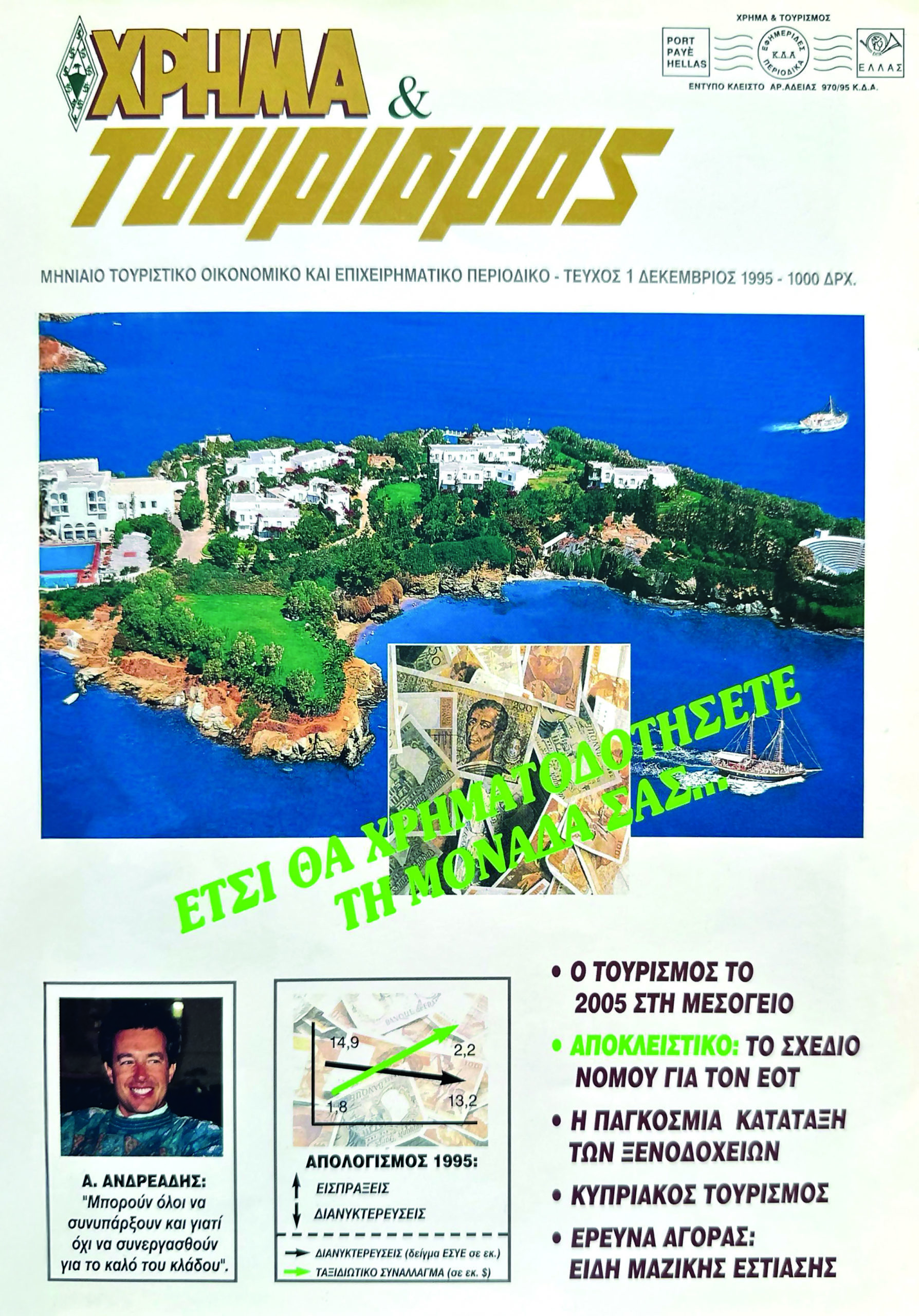
-From the cover of the very first issue in 1995, to the anniversary issue of 2025. The CEO of the Sani/Ikos Group and historic figure of the sector records, with sharpness, depth and foresight, the course of Greek Tourism – yesterday, today, tomorrow – and presents the Group’s investment plan in Greece and abroad.


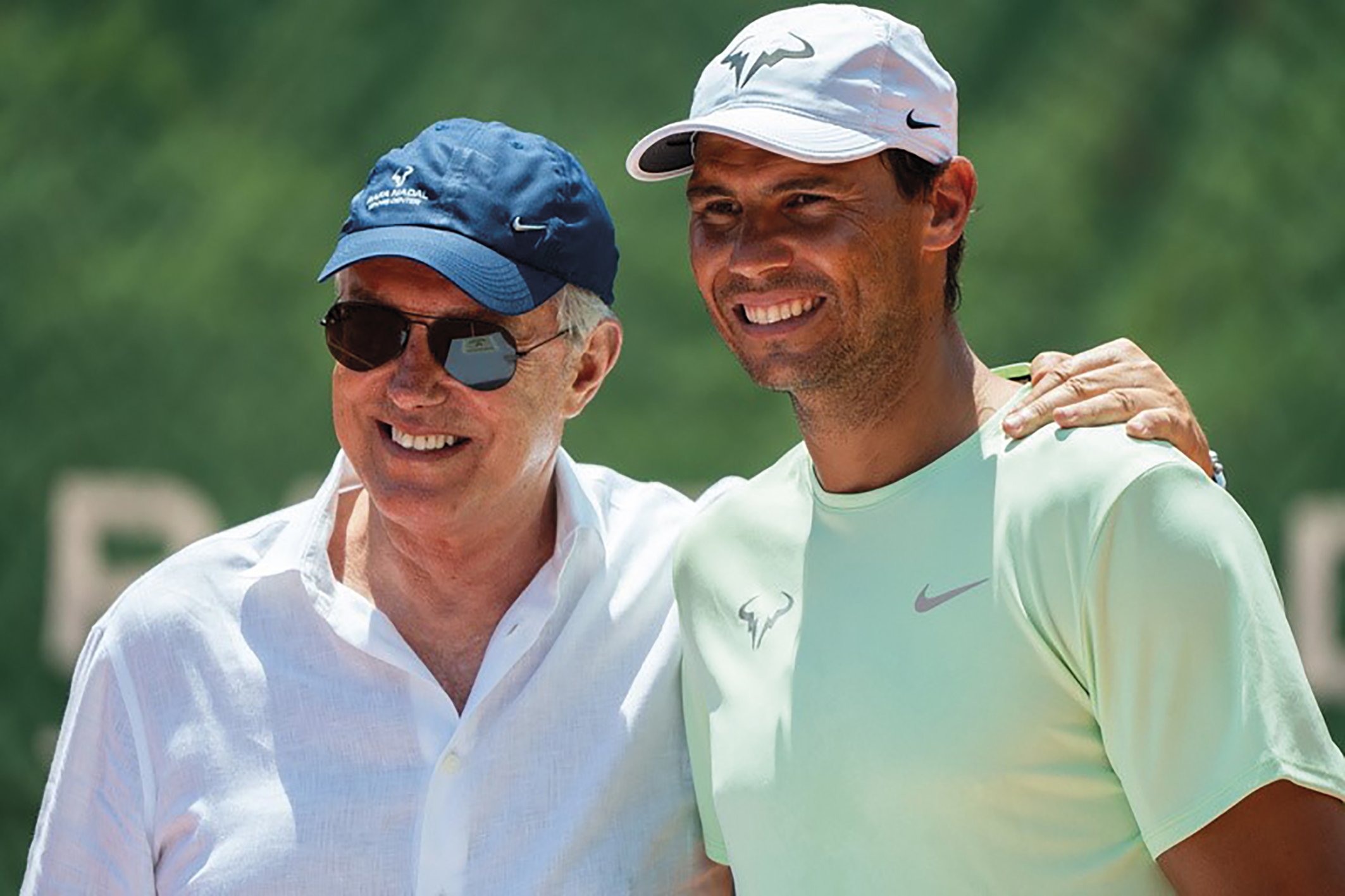
In 1995, when the first issue of Hrima & Tourism magazine was published, its cover featured a then young entrepreneur and hotelier, with vision and dynamic presence in the Tourism sector: Dr. Andreas Andreadis. Thirty years later, life comes full circle – and he “returns”, this time as one of the most influential leaders of Greek tourism, CEO & co-Managing Partner of the Sani/Ikos Group, former President of SETE, founder of INSETE and Marketing Greece, and a decisive voice of the sector, with an interview that serves as a legacy for the future of the most vital sector of the Greek Economy.

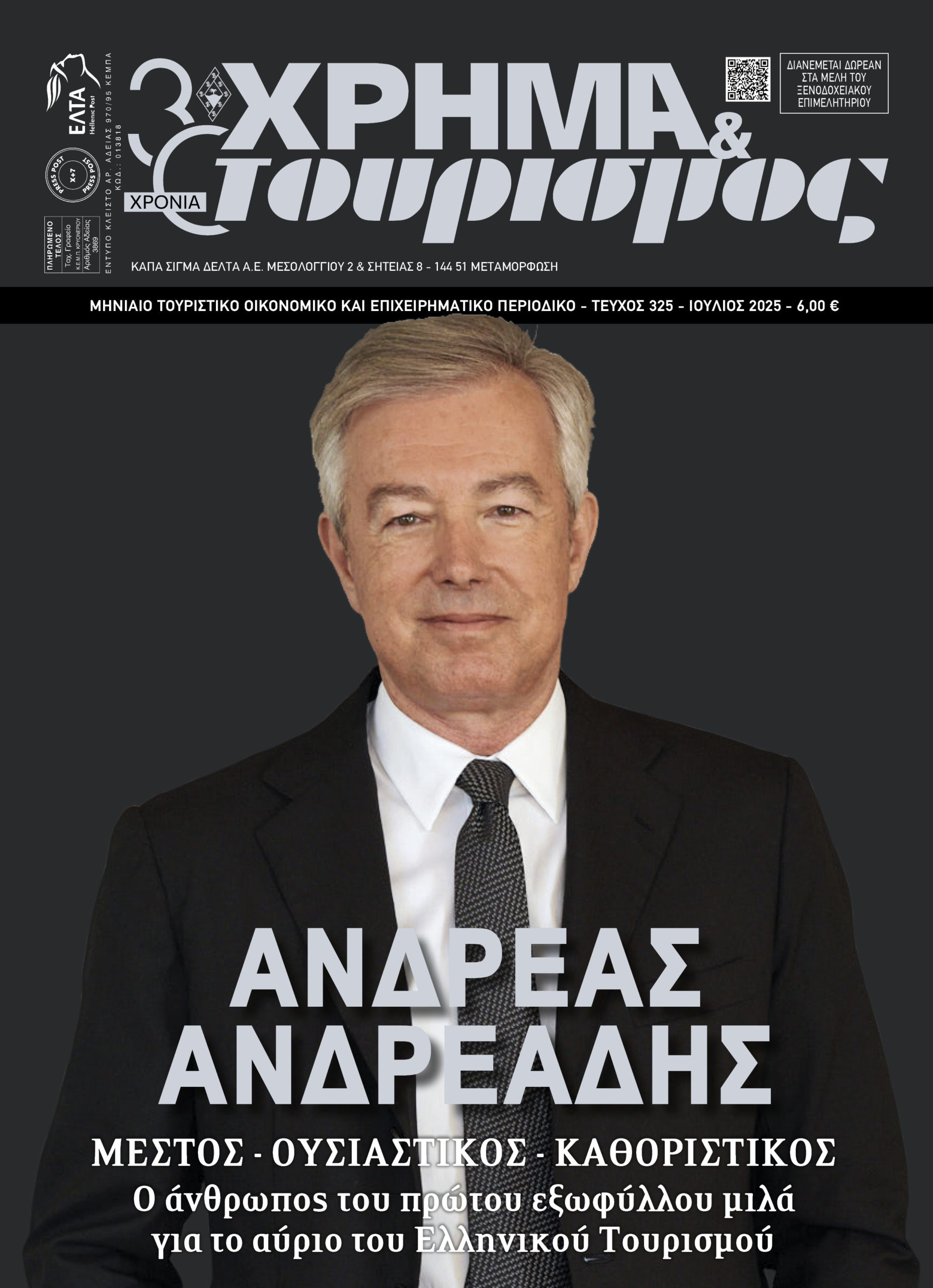
The timing is not just interesting. It is striking. A man who has marked the course of Greek tourism with his work and interventions is once again featured on the cover of Hrima & Tourism, to share the account of the last three decades, to highlight the lessons of crises, and to present his vision for tomorrow.
A testimony of high value – human, institutional and strategic.
With depth and foresight, Dr. Andreas Andreadis offers a rare narrative: from the crises of the past and the strategic victories, to the self-criticism of the present and the perspective of a sustainable future.

The Interview
The interview of Dr. Andreas Andreadis with Konstantinos St. Deriziotis is as follows:
– Mr. Andreadis, on the occasion of the 30 years of Hrima & Tourism magazine, would you like to identify for us the most significant moments in the course of Greek tourism during this period?
– On the occasion of this anniversary edition of X&T and with my warm wishes for its 30 years, I will attempt a brief review of the course of Greek tourism over the past three decades. My aim is both to remind and to highlight the lessons that this journey has offered us, with its victories and triumphs, but also with its failures. I hope that this review will help the State and the tourism sector to recognize the right choices and practices, to learn from mistakes, and to design an intelligent and coherent strategy for the future.
I consider 2010 a milestone, as it was the year of the crisis that reshaped the country’s tourism map. For many years before, Greek tourism relied mainly on the unparalleled natural beauty, the competitive cost and the unique DNA of Greek hospitality. However, this growth of the mass model took place without substantial spatial planning and with limited infrastructures, such as airports and a national carrier. The image of the country and our regions was almost non-existent in terms of marketing and branding, with the result that tourism growth was based on large and small Tour Operators who financed the development of accommodation, without particular quality requirements. This led many regions to be under pressure, while investments in quality infrastructure remained limited. Nevertheless, the foundations were laid for an important change: a new cycle of investment began with the operation of 4- and 5-star hotels, and the need for diversification and an organized approach in the sector was highlighted.
Entering the second 15-year period of my review, I would say that the 2010 crisis acted as a strong earthquake that awakened and united all tourism stakeholders. Out of difficulty, an unexpected unity was born with a common vision and mission. The need for survival led to better organization, collective work and strategic thinking. SETE, in collaboration with HCH, HAPCO and other national bodies, created Marketing Greece and INSETE, laying the foundations for the main pillars of coordination and action of the private sector. At the same time, the understanding of governments and lenders that tourism was the only sector that could lead the country out of the memoranda helped in the drafting of the first national development plan, Greece 10 Years Ahead, as well as in important legislative regulations. The lesson of that decade is that when our need for survival unites us, we can achieve greatness.
“The new generation has the vision and the will to lead the sector into a sustainable future.”
– What were the results of this unity and strategic approach?
– Greece managed to enter the ranks of the great global tourism powers, as one of the world’s top five tourism brands. The results speak for themselves. International arrivals during the period 2010–2019 recorded an increase of 127%, rising from 15 million in 2010 to 34 million in 2019. At the same time, travel receipts increased by 89%, from €9.6 billion in 2010 to €18.2 billion in 2019. By contrast, during 2010–2019, under the weight of the crisis, other important sectors of the Greek economy shrank.

– How did the pandemic affect the course of Greek tourism?
– The outbreak of the pandemic was yet another great need for survival that once again brought us together. The government, working with SETE and the private sector, opened the country quickly and safely, supporting workers and businesses. In 2022, Greece achieved revenues almost equal to those of 2019, ranking first in Europe. Second lesson: the need for survival made us demonstrate exceptional reflexes.
– Was this climate maintained after the pandemic?
– When the crises subsided, the vision for the future weakened. Complacency set in. Tourism once again went into “autopilot.” We forgot what brought us victories and triumphs. We forgot the need for planning and unity.
Of course, no one denies that tourism creates side effects, such as the rapid growth of Airbnb short-term rentals and inadequate infrastructure. However, the state and the political system cannot respond adequately without a plan. Local government often lacks the necessary resources for substantial planning.
“When the need for survival unites us, we can achieve greatness.”
The tourism sector also has responsibilities. Its institutional voice must regain influence, and entrepreneurs must embrace cooperation and foreign investment. The participation of investors is not threatening but collaborative, offering know-how and access to markets. Mergers enhance competitiveness and are necessary for the development of small and medium-sized enterprises.
 – Can we be optimistic about the future?
– Yes, I am optimistic. The new generation of entrepreneurs fortunately understands the needs of the times: it invests in education, embraces technology and seeks partnerships. With the right tools, it can reshape Greek tourism with innovation and sustainability. For this to become reality, a clear and sustainable plan is needed that respects the environment and local communities.
The new generation has the vision and the will to lead the sector into a more organized and sustainable future. Provided that the State and the tourism world rise to the occasion. All together, united, we can achieve it.
“The participation of investors is not a threat, but an opportunity for cooperation and know-how.”
– What are the plans of the Sani/Ikos Group for the future? What are your new investments? And what is the role of sustainability in your strategic planning?
– The Sani/Ikos Group is moving forward with the implementation of a five-year investment plan of over €1 billion in Greece and the Mediterranean, with the aim of gradually expanding the portfolio and continuously upgrading infrastructures, with emphasis on sustainable and high-quality hospitality.
In Crete, Ikos Kissamos is already under construction, with a scheduled opening in spring 2026. It is the largest investment in the area, amounting to €150 million, combining traditional architecture with modern luxury. The new 420-room hotel with a 600-meter beachfront is expected to offer more than 700 direct and indirect jobs, significantly boosting the local economy. Already, just one month after opening reservations, the new resort has reached 30% occupancy for its first season, confirming its strong market potential.
“We forgot what brought us triumphs: unity, planning and strategy.”

In Halkidiki, the development of Ikos Kassandra – the first grand Ikos after the acquisition of the Athos Palace, Pallini Beach and Theophano Imperial hotels in Kassandra, Halkidiki – with scheduled operation in spring 2029, and the extensive upgrade of Sani Resort further strengthen the Group’s strategic presence in Northern Greece.
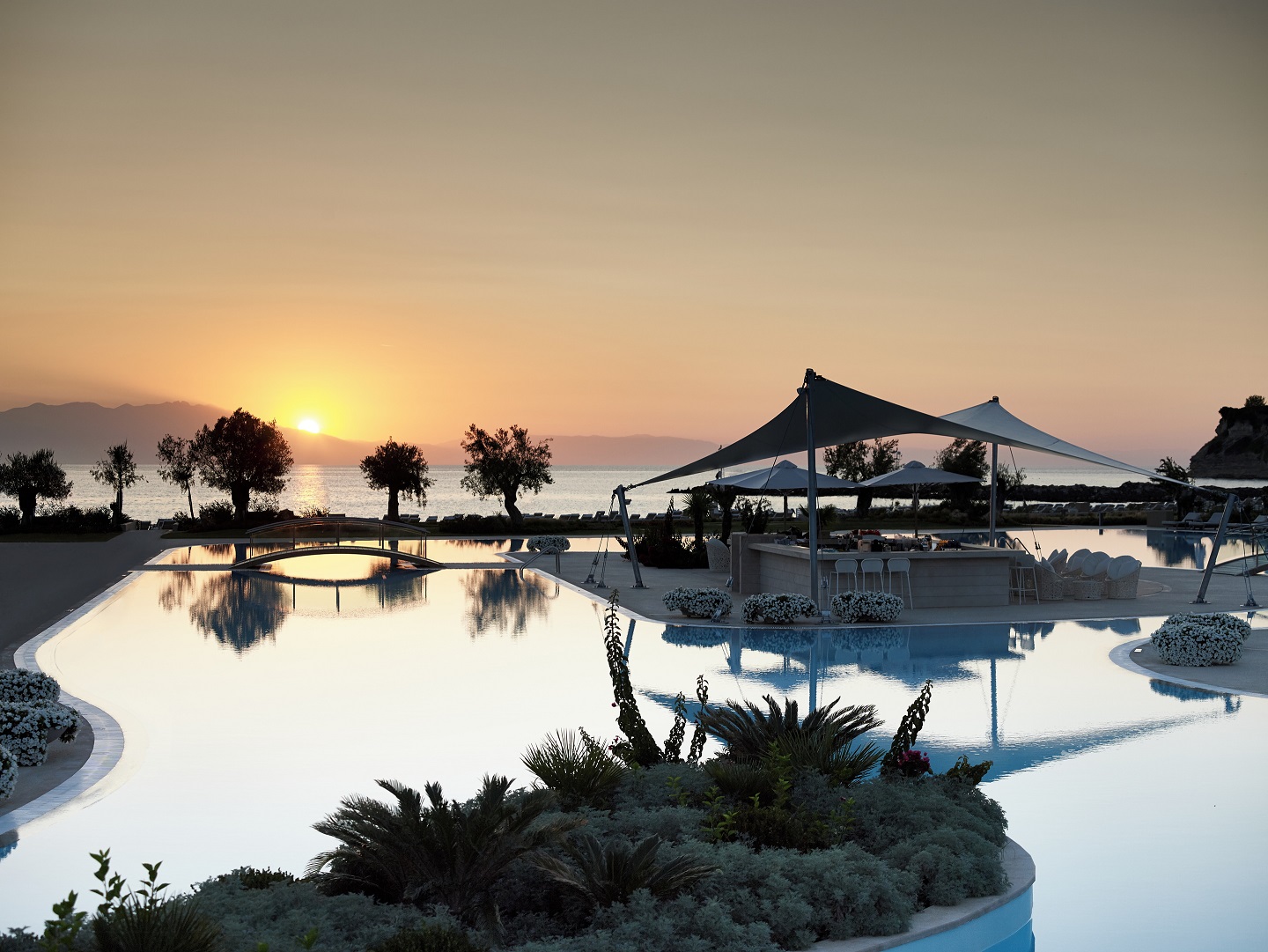
Abroad, the new Ikos Marbella in Spain and Ikos Cortesia in Portugal will continue to export Greek hospitality and strengthen the international footprint of the Ikos brand, which this year celebrates 10 years of presence. In Spain, market acceptance was immediate and substantial, with the ADR (average daily room rate) exceeding that of the corresponding Greek units by approximately 30%.

The common denominator of all projects is the commitment to sustainability, with strict environmental standards (LEED and BREEAM), renewable energy sources, and cooperation with local communities and producers. The Sani/Ikos Group contributes tangibly to the upgrade of the Greek tourism product and to the strengthening of the local economy, creating new jobs, supporting local entrepreneurship and promoting cultural wealth, attracting high-income travelers from all over the world.
Through the lens of Dr. Andreas Andreadis, what emerges with clarity is not only the course of one of the strongest sectors of the Greek economy, but also the necessity of planning for tomorrow. This review, however starkly realistic, concludes with a clear message of hope: that the next generation – with knowledge, technology, cooperation and environmental awareness – can achieve even more. As long as we remember that nothing is self-evident and that progress is not the result of luck, but of coordinated effort.