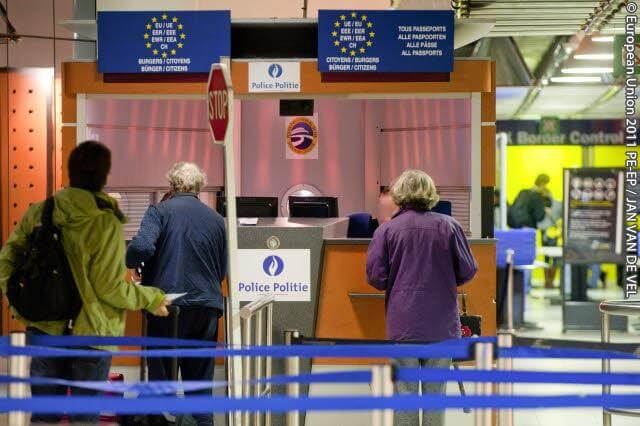
Significant impacts on European tourism could be caused by major border delays following the implementation of the European Union’s new Entry/Exit System (EES), according to a new study by the World Travel & Tourism Council (WTTC).


The report, based on a survey of more than 2,500 travellers from the United Kingdom, the United States, Canada and Australia, shows that if waiting times at entry points to the Schengen Area systematically reach three to four hours, around one third of travellers would be significantly less likely to choose Europe as their travel destination.



Based on forecasts for 2026, the WTTC estimates that up to 41 million international arrivals and approximately $45.4 billion in tourism spending from four key source markets could be put at risk.

The survey finds that 39% of British travellers would avoid or significantly reduce travel to the Schengen Area in the event of long delays, compared with 33% among travellers from the United States and Canada, and 27% from Australia.
At the same time, most respondents express a positive attitude towards the new system. A total of 65% support the implementation of the EES once informed of its purpose, while only 6% are strongly opposed to the use of biometric checks at borders.
Travellers identify key benefits as enhanced security (57%), faster processing for future trips (52%), and greater confidence in border controls (43%).
However, awareness of the new system remains limited. More than half of respondents (55%) say they know little or nothing about the EES, while 49% are unaware of the procedures that will be required when entering or exiting the Schengen Area.
The WTTC calls on member states to accelerate the adoption of digital pre-registration tools, strengthen traveller communication in key source markets, and ensure full operational readiness at border checkpoints, including adequate staffing and functioning equipment.