-The Berlin District Court paves the way for hotel compensation claims across Europe

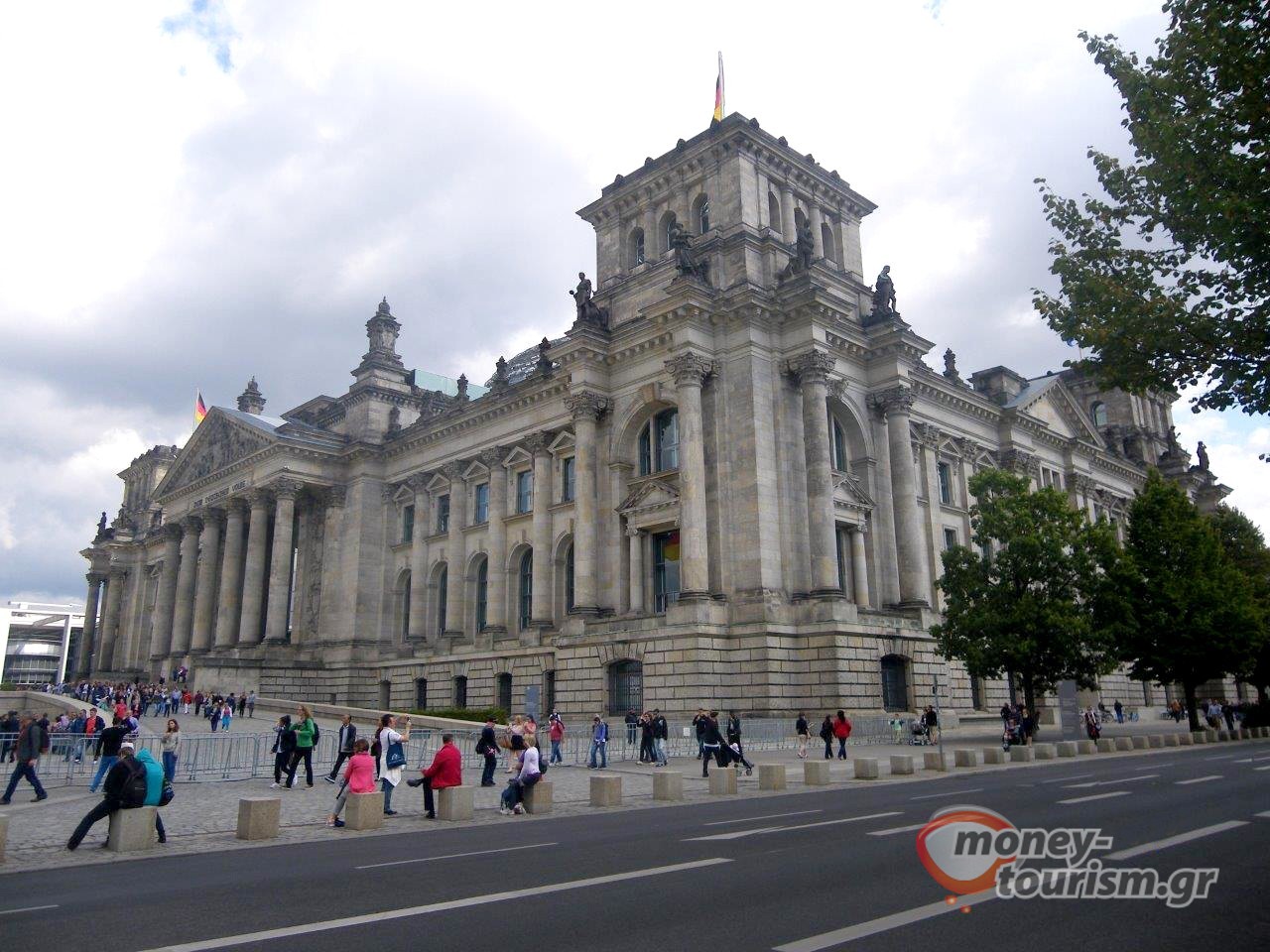
Today’s decision by the Berlin Regional Court II (Civil Division 61) accepted a claim of discovery filed by a total of 1,288 plaintiffs and ruled that Booking.com BV and its subsidiary Booking.com (Deutschland) GmbH are jointly and severally liable for compensating 1,099 accommodation business owners for the individual damages they suffered from the use of illegal best-price clauses from January 1, 2013 onwards.


The further claim of the plaintiffs – among other things for the return of booking fees – was rejected. The Court did not examine the exact amount of the damage in the context of the present procedure, nor whether it is causally linked in each case to the disputed clauses.


Booking.com BV, a Dutch-law company, manages the international booking platform and receives a commission for each non-cancelable booking. Booking.com (Deutschland) GmbH is responsible for contracts with German partners.
From the mid-2000s to June 30, 2015, the so-called broad best rate clauses were in effect, which required providers to offer Booking.com the best rates and terms compared to all other distribution channels. From July 1, 2015 to January 2016, the so-called narrow clauses were applied, which prohibited lower prices in the direct sales channel.
The German Federal Cartel Office ruled the close clauses illegal on December 22, 2015, and ordered their removal. This decision was upheld by the Federal Court in 2021.
According to the court, both the broad and narrow clauses restricted competition by limiting the freedom of providers to set prices and by preventing the use of the direct channel as a competitive tool.
The request for a refund of already paid fees was rejected as inadmissible, as it concerned completed facts and should have been pursued with a lawsuit for the payment of a specific amount.
The decision is not final and can be appealed.
What the court decided – and what it didn’t
The court did not award any damages. Instead, it paved the way for individual claims for compensation, recognizing that the best price clauses limited competition, prevented hoteliers from using the direct sales channel, led to market distortion and oligopolistic conditions, and had subsequent effects even after their formal abolition.
The crucial element is the recognition of “subsequent damage,” which gives the plaintiffs a legal arsenal.
It is recalled that the decision of December 16 follows a decision of September 19, 2024, from the European Court of Justice confirming that Booking.com’s parity clauses violated European competition law. This decision upheld claims that these contractual restrictions disadvantaged competing hotels, stifled price competition between Booking.com and other online booking platforms, and constrained hotels’ direct distribution channels.
According to the general principles of European competition law, hotels are entitled to claim compensation from Booking.com for financial losses incurred due to anti-competitive practices. Preliminary estimates show that hotels may recover up to 30% or more of the total commissions paid to Booking.com since 2004, plus interest, according to historical materials from the class action coordinated by HOTREC, the European umbrella organization of hotel associations.
The reasoning of the Berlin court addressed a procedural question about whether the recognition of relief was appropriate when the plaintiffs could have submitted quantified claims for compensation. Courts usually require plaintiffs to make specific monetary claims rather than statements of liability, especially when calculating damages involves significant effort and expense. However, the room concluded that the declaratory actions remain permissible when the development of losses has not been completed at the time of filing, making final quantification impossible. The plaintiffs argued that the best use of the price clause contributed to the substantial seizure of the market and the oligopoly, the effects of which persisted beyond the period during which Booking.com actually used the clauses. These ongoing structural market effects suggest ongoing harm to hotel operators, justifying the declaratory relief rather than requiring immediate quantification of damages.