Luxury hotels in the United Kingdom, once a refuge for royalty, celebrities, and the economic elite, are now facing a new type of clientele.


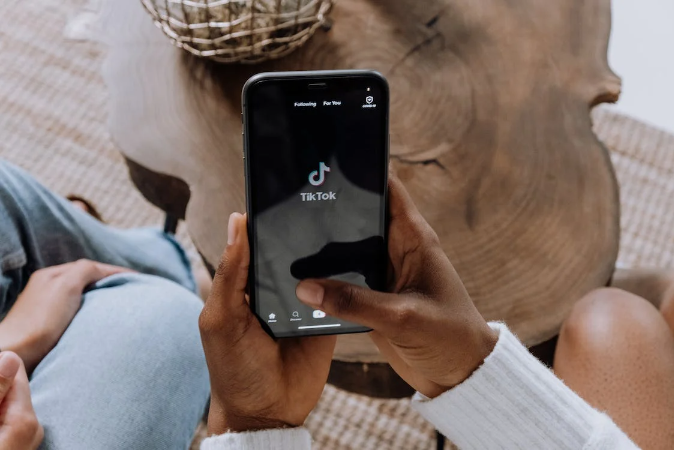
Influencers, TV personalities, and internet creators to “dog-influencers” — who have turned these iconic establishments into photo shoots and social media content backdrops.
In hotels like the Ritz, Dorchester, Bvlgari, or Limewood, and in clubs like Soho House, influencers pose on the marble stairs, take photos in Michelin-starred restaurants, and share every moment of their stay — evening dips, dinners, every detail.


However, as hotel managers report, the frequency and intensity of this phenomenon has raised a red flag: production teams that accompany influencers are degrading the experience, causing a sense of “entitlement.” They often say that many of these people aren’t real customers; they just come to take photos — leaving behind empty reservations, trouble, or disappointed other visitors.

Meanwhile, according to hospitality workers, excessive exposure to the public on social media and the constant competition for the “ideal moment” threaten the reputation of hotels that have been built over decades and rely on the experience, quality, and tranquility they promise their customers.
According to reports, including those from the Daily Mail, there have been instances where influencer parties have overrun public spaces, with mobile phones constantly capturing every moment. Examples of such cases include stays at Claridge’s, where the behavior was questioned by the journalist who experienced it.
However, as industry executives admit, this is not a one-sided phenomenon; there are influencers who operate professionally, offer high-quality content, and collaborate with hotels with respect—which proves that the relationship between hospitality and social media is not necessarily problematic.
As tourism and hospitality enter the era of digital-first marketing, the challenge for high-end hotels is to balance between promotion and quality of experience.