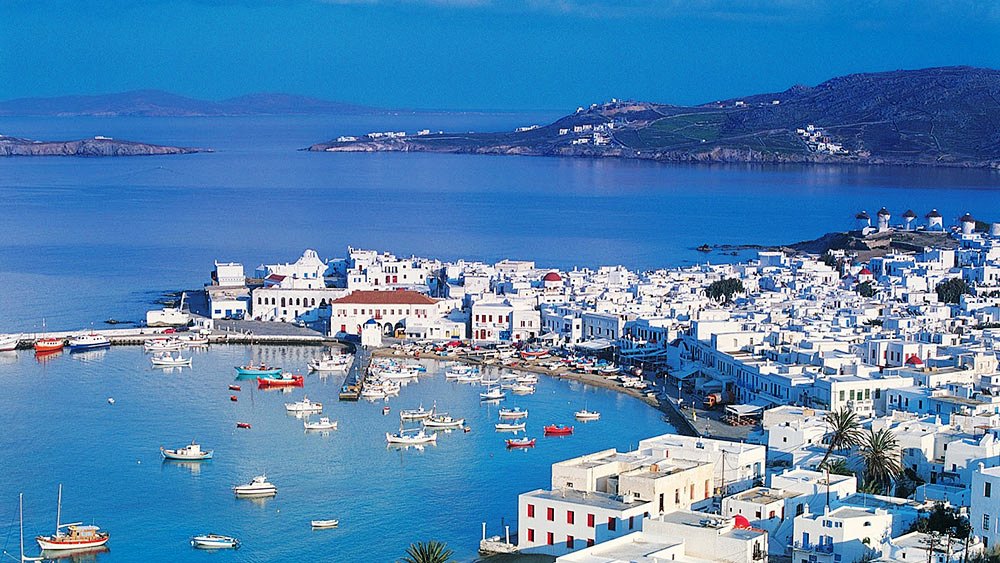
Fears that over-tourism in Greece could spread to another of the popular holiday islands, Paros, have been raised in a Telegraph article.

Paros may face a huge influx of tourists and holidaymakers as the island – known for its more relaxed and tranquil climate compared to Mykonos – is experiencing a rapid rise in popularity. “The rising cost of living for locals is a huge problem,” ceramist and long-time island resident Christiane Smit told the Telegraph.


The port of Parikia is the busiest part of the island, with ships stopping there on their way to Santorini or Naxos. The island’s signature feature is a huge windmill, which stands guard over the town and is visible from the harbour.


Paros is famous for its marble, which was considered the best in ancient times. It is rumoured that the iconic statue of Aphrodite of Milos – now in the Louvre Museum in Paris – was carved from Paros marble.
Testimonies from residents say that in the last five years Paros has been built at a dramatic rate and has been leading the way in applications for new building permits in the Cyclades, surpassing even Mykonos and Santorini, while locals and the environment are feeling the tremendous pressure of tourist “development” and a rise in the cost of living that is causing enormous concern.
Outraged by the seemingly unchecked growth on the island, residents of Naoussa sent a petition to government representatives in 2022 asking for a halt to building on the small resort, describing it as “a cruel test for all the fragile infrastructure of a small place”. In 2023, locals came together to form the Paros Citizens’ Movement for Free Beaches, protesting what they describe as the “illegal privatization” of beaches in Greece, which are covered with sunbeds and umbrellas rented for up to 100 euros a day.
One resident said: “The situation on the beaches probably acted as the final catalyst. The problem is that locals are starting to feel like strangers in their own community because of the growing frustration [caused by] invasive investors and the decline in their quality of life due to over-tourism.”
“What turned it into a disaster wasn’t just nature – it was the result of decades of unsustainable construction,” said another local. “Villas, hotels, roads and swimming pools have replaced the dry stone walls that once held back water, slowed runoff and kept the soil alive.”