


The Ministry of Foreign Affairs announced new guidelines for the EU Entry/Exit System (EES), which affects 29 countries, including Greece. The changes will take effect after the Easter weekend and will affect the process of travelers entering and exiting the European Union. The EES is expected to bring more stringent controls and data recording at borders. Travelers are advised to check in advance to avoid delays.


The UK Foreign, Commonwealth and Development Office (FCDO) warned that the EU’s Entry/Exit System (EES) process may require “a few extra minutes” for each passenger, so travelers should be prepared for more waiting than usual at borders. The update was given yesterday (Wednesday) and concerns travel to Austria, Belgium, Bulgaria, Croatia, Czech Republic, Denmark, Estonia, Finland, France, Germany, Greece, Hungary, Iceland, Italy, Latvia, Liechtenstein, Lithuania, Luxembourg, Malta, Netherlands, Norway, Poland, Portugal, Romania, Slovakia, Slovenia, Spain, Sweden, and Switzerland.



The UK Foreign, Commonwealth and Development Office (FCDO) stated: “The Entry/Exit System (EES) checks are being phased in at external borders, with full operation expected from 10 April 2026.
This means that when you travel within the Schengen area for short stays, you may need to enroll your biometric data, such as fingerprints and a photo. You don’t need to do anything before you arrive at the border, and there is no cost for EES registration.
During your first visit to a Schengen country, you may be asked to enter your information at a special booth before proceeding to the immigration office.”
“Follow the instructions of your travel agency or the staff at your point of entry. You may also need to provide either your fingerprints or a photo when you leave the Schengen area. Children aged 11 and under will not have their fingerprints scanned, but may be asked to have their photo taken.”
For travelers using the Dover, Folkestone Eurotunnel or St Pancras Eurostar points, the EES registration will take place in British territory before departure. Local authorities have expressed concerns about significant delays at these points.
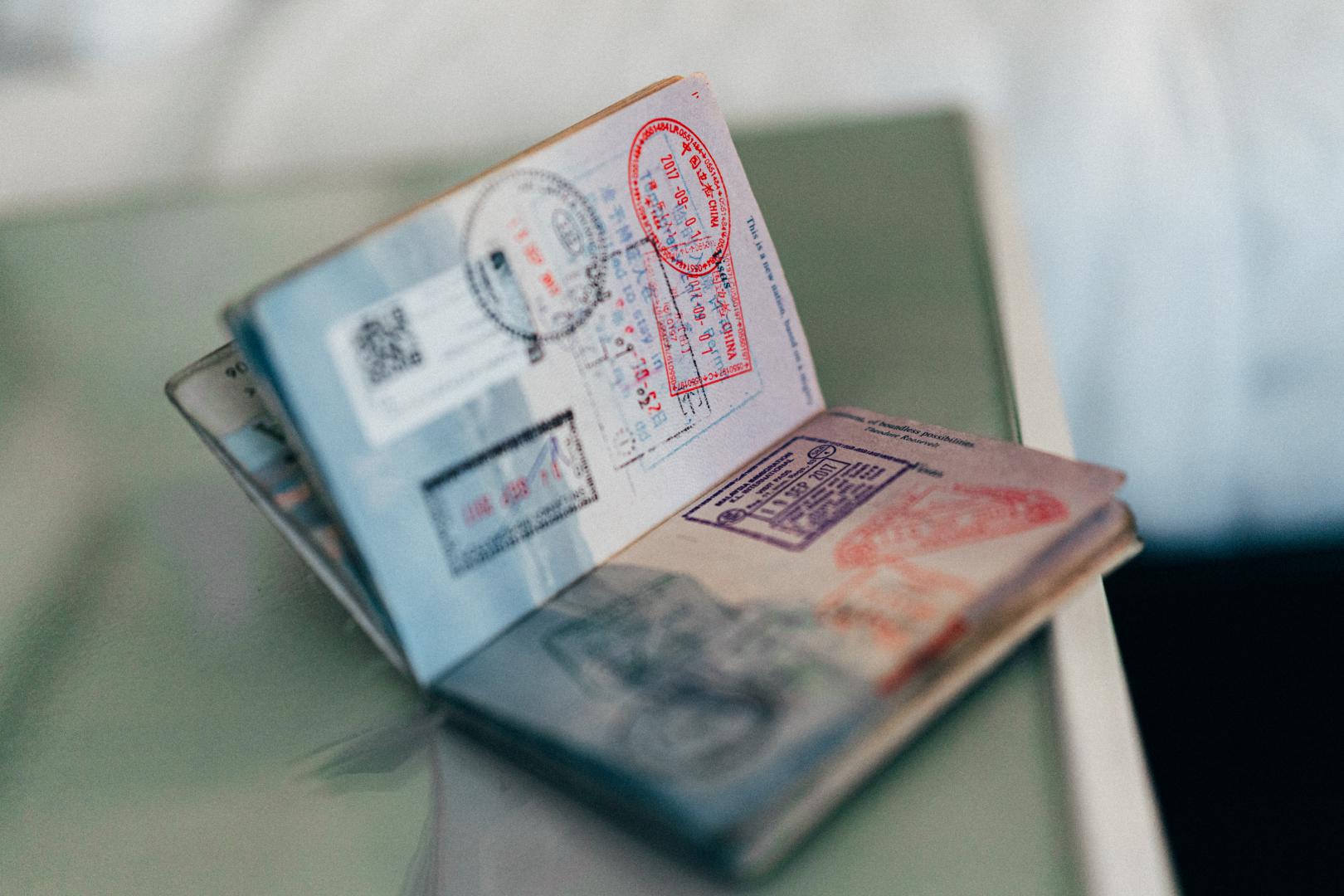
During the transition period, officials will continue to manually stamp passports in parallel with the new digital system until the full integration of the EES is completed at all border control points.













)