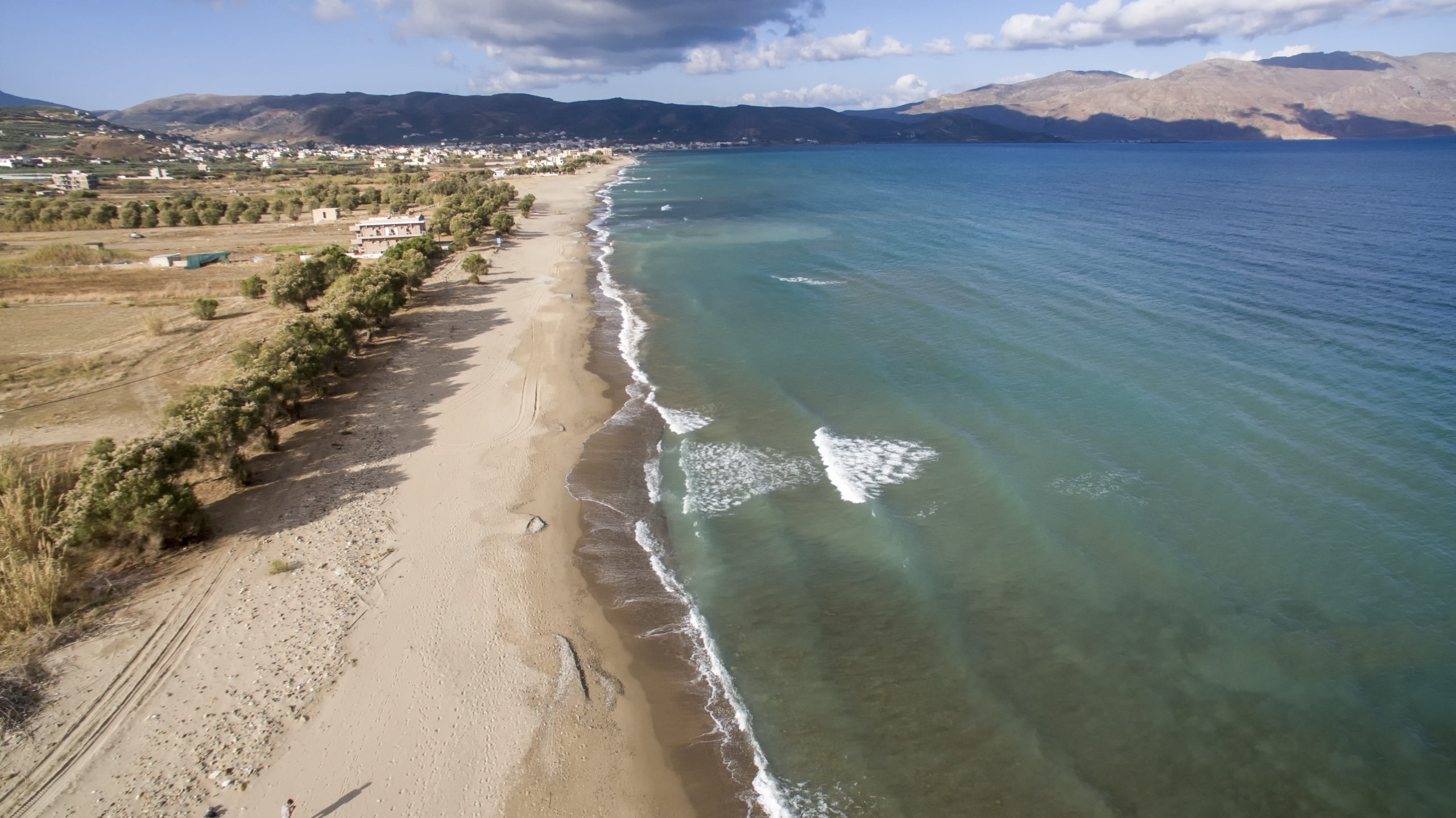
Condé Nast Traveler includes Crete and the Peloponnese in the top European destinations for 2026.

The international media notes that the island will be the European Region of Gastronomy for 2026, highlighting Crete’s strong connection to its local cuisine and the way of life of its residents.
The article notes that Cretan cuisine has deep roots in tradition and the relationship between people and local products — from raw materials to the way they are cooked. Local dishes and ingredients are highlighted, showcasing the island’s authenticity.


The article also records new hotel investments that enhance the gastronomic identity of Crete:
- Ikos Kissamos (west of Chania)
- Niko Seaside Resort MGallery Crete (Agios Nikolaos)
- Rosewood (Elounda) — the first Rosewood in Greece
According to Condé Nast Traveler, the new airport in Crete, which will be put into operation, replaces the old one, which is characterized as one of the least efficient in Europe, and is expected to significantly upgrade the travel experience.Crete is presented as a destination where gastronomy, hospitality, and the daily life of the locals are an integral part of the travel experience.

At the same time, the Peloponnese is making a strong appearance on the international travel map for 2026, as major film shoots, upgraded cultural routes, and new hiking infrastructure are drawing attention back to the region. The interest peaks with Christopher Nolan’s new project “The Odyssey”, which was filmed in locations in Messinia, from the castle of Methoni to the Voidokilia Bay and the trails around the Palace of Nestor. The Costa Navarino, with a focus on sustainability and hosting four luxury resorts as well as a new series of Michelin-starred restaurants, is the perfect base for exploring the filming locations. Meanwhile, the Peloponnese Trails network, with more than 1,700 kilometers of trails, showcases the peninsula as a destination for hiking, wellness, and experiential tourism, connecting coastlines, archaeological sites, and traditional villages. The coexistence of history, nature, and gastronomic tradition — from the wineries of Nemea to the internationally recognized Kalamata olive — creates a destination that evolves without losing its authenticity.
Other destinations on the “Best Places to Go in Europe 2026” list
The same list from Condé Nast Traveler also includes:
Brussels, Belgium
The city is in a phase of “cultural rebirth”. In 2026, the KANAL – Centre Pompidou, a new, large contemporary art center within a former factory, will open with exhibition spaces, a restaurant, and a rooftop bar. New hotels and renovated public spaces are also mentioned.
Frankfurt, Germany
2026 is World Design Capital. The city will host hundreds of events, exhibitions, and projects related to design and architecture. New hotels opening that year are also mentioned.
Islay, Scotland
The island is enhancing its international reputation for whisky. For 2026, the operation of new distilleries and new hospitality residences related to the world of whisky is planned.
Milan, Italy
At the center of attention due to the 2026 Winter Olympics. The city is moving forward with new hotel arrivals and infrastructure, and the year includes the Salone del Mobile/Design Week.
Saint-Gervais-les-Bains, France
It stands out for sustainable mobility in the Alps. New energy-efficient Mont Blanc Express trains are introduced in 2026, aiming to reduce car traffic and increase accessibility via rail.
Seville, Spain
The city is introducing new culinary businesses and a dynamic rise of new hotels. Condé Nast Traveler reports new chefs, new bars, and a lot of activity in the luxury hospitality sector.
Oulu, Finland
One of the European Capitals of Culture 2026. It is being promoted for events that will focus on innovation, creativity, and the relationship with the northern nature.
(Condé Nast Traveler’s list includes a total of 10 European destinations — the others follow in the same character as emerging & culturally relevant destinations.)
Other destinations from Condé Nast Traveler for 2026
The list includes destinations with completely different characteristics; from isolated jungles and unexplored coasts to megacities that change their identity.
Here are some indicative points that the magazine highlights for the remaining destinations:
Udaipur & Arusha (Africa & India)
New cultural and environmental investments, museum openings, and upgraded access to nature.
Hong Kong & Brussels
New cultural centers and creative spaces that transform cities.
Prince Edward County (Canada) & Chiriquí (Panama)
Rise of small boutique hotels, natural experiences, and soft tourism.
Uluru (Australia) & Gabon (Africa)
New forms of eco-tourism and experiences based on the knowledge of local communities.