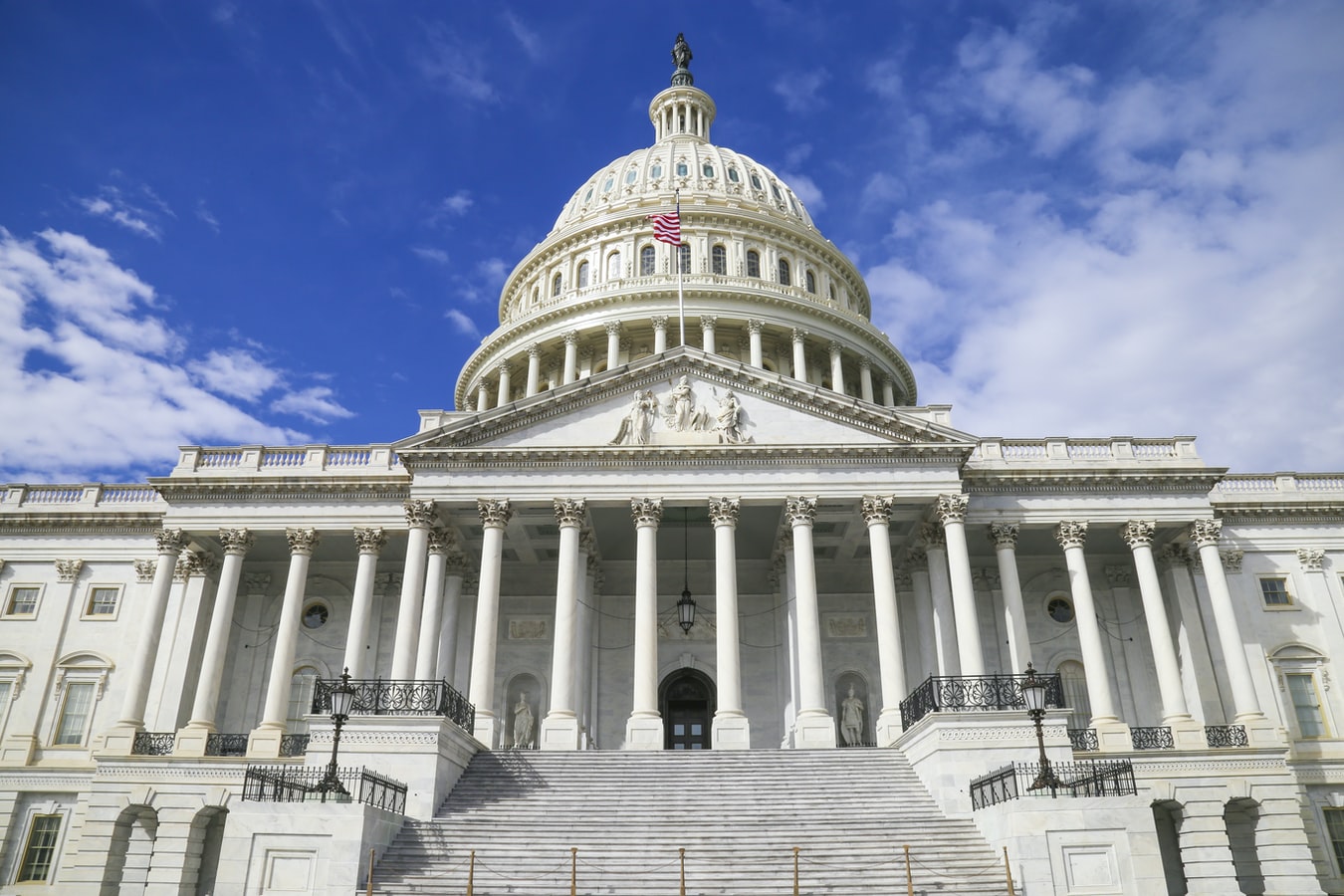
The US Senate passed a bill to end the government shutdown on Sunday after a group of moderate Democrats agreed to withdraw their demands for an immediate expansion of healthcare subsidies, paving the way to end the longest government shutdown in US history.


The US Senate on Sunday passed a measure aimed at reopening the federal government and ending the 40-day shutdown that has furloughed federal employees, delayed food assistance, and disrupted air travel.



In a procedural vote, senators advanced a bill passed by the House of Representatives that would be amended to fund the government through January 30 and include a package of three bills for the full year’s appropriations. If the Senate ultimately votes in favor of the bill, the package would need to be approved by the House of Representatives and sent to President Donald Trump for signature, a process that could take several days.
As part of an agreement reached with a group of Democrats who opposed their party’s leadership, Republicans agreed to vote in December to extend subsidies under the Affordable Care Act, according to a source familiar with the negotiations. The subsidies, which help low-income Americans pay for private health insurance and are set to expire at the end of the year, were a priority for Democrats during the funding dispute.
The vote to advance the bill passed 60-40, the minimum needed to overcome the filibuster in the Senate, with final approval expected in the coming days.
After 40 days of stalemate, this is the first sign of any progress, but the agreement still needs to be approved by the House of Representatives, and the Democrats who oppose it in the Senate could slow down the process.
“It looks like we’re very close to the end of the shutdown,” Trump told reporters at the White House before the vote.
The bill would prohibit federal agencies from laying off employees until January 30, a victory for federal worker unions and their allies. This will delay Trump’s campaign to reduce the federal government’s workforce.
According to federal data, about 2.2 million citizens worked for the federal government at the beginning of Trump’s second term. At least 300,000 employees are expected to leave the government by the end of the year due to Trump’s efforts to reduce staff.
The agreement was brokered by two New Hampshire Democrats, Senators Maggie Hassan and Jeanne Shaheen, and Angus King, the independent senator from Maine.
If the government remains shut down for much longer, economic growth could be negative in the fourth quarter, especially if air travel doesn’t return to normal levels by Thanksgiving, White House economic adviser Kevin Hassett warned on CBS’ “Face the Nation.” Thanksgiving is on November 27 this year.