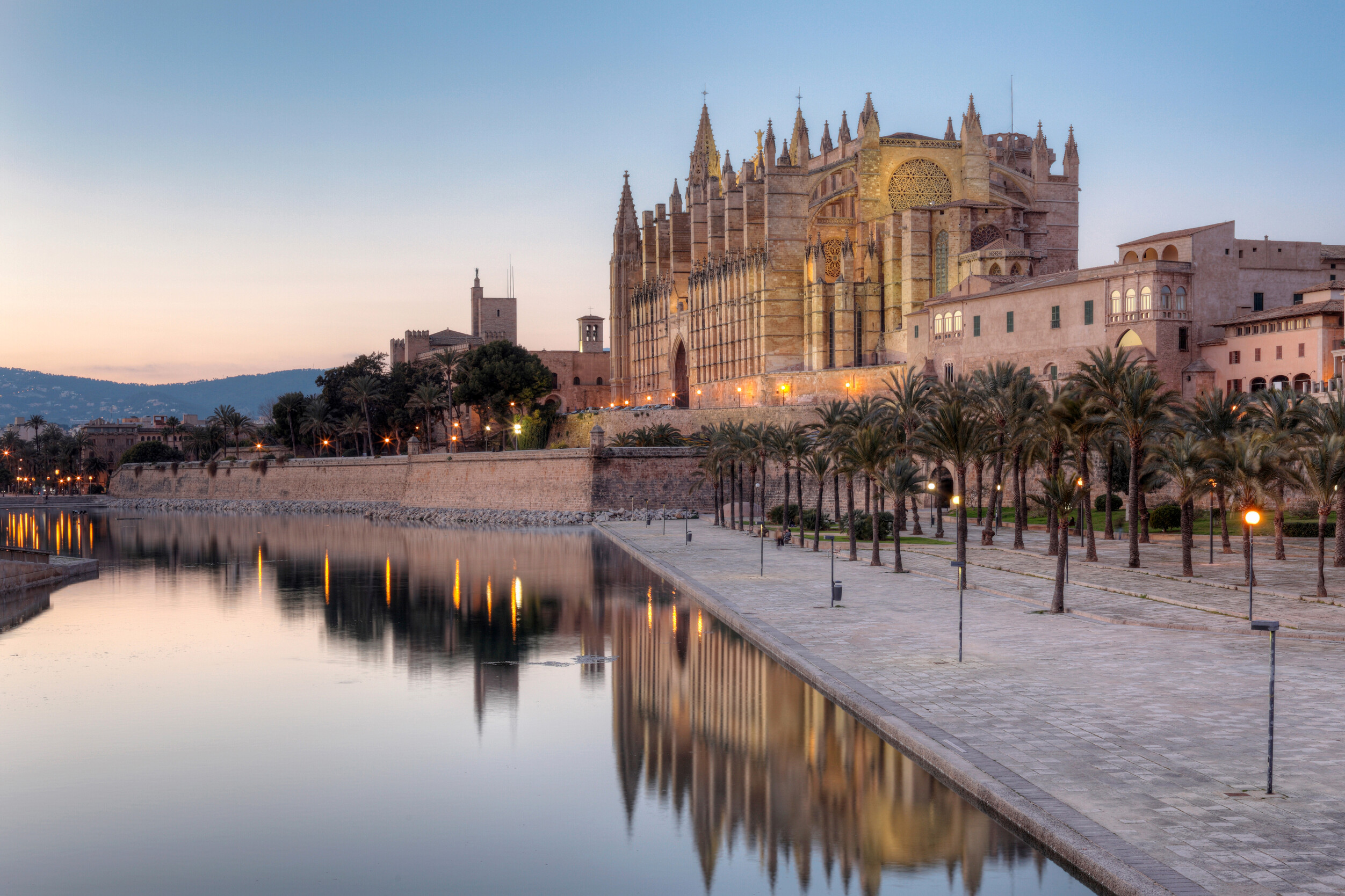
Mallorca and the neighboring Balearic Islands are entering the new tourist season with strong momentum, as seen during the Easter period, which is the first crash test for the new season. According to the initial data, the islands will lead the country in expected increases in occupancy in the coming months. However, the prices per night are also skyrocketing.


Despite the geopolitical crisis and its impact on the Middle East, demand for Mallorca remains high. A positive trend for the industry has already been evident since the spring, with bookings for the April-June quarter reaching significantly higher levels than the previous year. About half of the island’s available beds have already been booked – an increase of up to three percentage points compared to the same period in 2025.


Bookings for the peak period of July to September are at a similar level to 2025, or at most slightly higher, but prices are rising noticeably. On average, holidaymakers in Mallorca will pay around 247 euros per night – higher than anywhere else in Spain.
It is noteworthy that the increased prices seem to have a small impact on travelers’ decisions. On the contrary, the cancellation rate has decreased and is currently at around 17%. Experts in the field see this as a “positive sign in a difficult economic environment,” according to the local website “Ultima Hora.”
Revenues are also on the rise. Hotel owners expect an increase of approximately 16% for the summer of 2026, compared to the summer of 2025. In the spring, the increase is even greater, reaching almost 19%, although with lower average prices, which are around 170 euros per night.
These estimates are based on the recent report by the Smart Observatory for the hotel industry, which was compiled by PwC and the Spanish Hotel Association CEHAT.