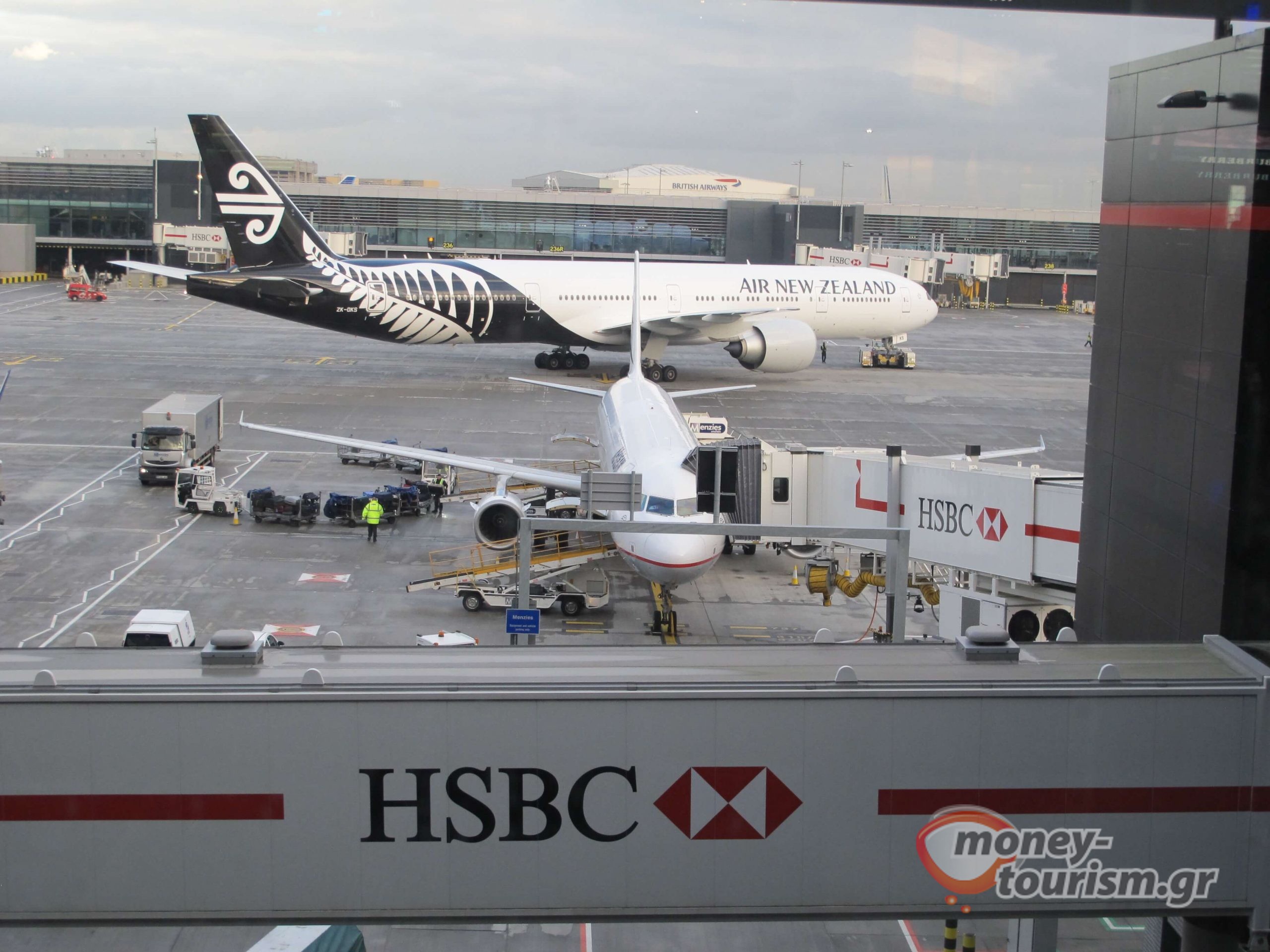
The United Kingdom took a decisive step by approving the plan for a new third runway at Heathrow Airport, in an effort to boost the economy and strengthen London’s position on the global air transport map.


However, the £33 billion project remains one of the most contentious in British infrastructure history — and its implementation will require overcoming a series of political, legal, environmental, and financial hurdles.


The government wants the development permit to be secured by 2029 and the new runway to be operational by 2035. However, this is far from being taken for granted.
Why now?
Finance Minister Rachel Reeves has made economic growth a priority, arguing that large infrastructure projects can attract investment and boost trade and tourism. Heathrow is currently operating at 99% capacity, while competing European hubs have up to six runways. The British government fears that without expansion, London will lose its role as the top European aviation hub.
A 20-year story
The plan for the third runway was already approved in 2009, but it was canceled a year later after a change in government. A proposal for a new airport in the east of London followed, until in 2015 a special committee again recommended Heathrow as the best solution.
In 2020, the Supreme Court gave the “green light,” but the pandemic put everything on hold. In 2024, passenger traffic surged back to 84 million, surpassing the pre-pandemic record and bringing the project back into the spotlight.
The big environmental problem
Noise, air pollution, and carbon emissions are at the center of the reaction from residents and environmental organizations. Most flights pass over populated areas of London, and the project is considered by many to be incompatible with the UK’s goal of zero emissions. New lawsuits are likely, despite the government’s argument that sustainable aviation fuels will reduce the environmental footprint. The problem, however, is that the country is significantly off-track from its goal of using 10% sustainable fuels by 2030.
Transport Minister Heidi Alexander has begun a review of the National Airports Policy, which will determine how expansion can be aligned with climate commitments — and is not expected to be completed until the end of 2026.
The funding puzzle
Heathrow, a private company owned by investment funds such as Ardian, Qatar Investment Authority, and the Public Investment Fund of Saudi Arabia, has committed that the expansion will be funded solely by private capital.
The cost is enormous:
- $21 billion for the new runway
- $1.5 billion to move the M25 motorway into a new tunnel
- $12 billion for new terminals and infrastructure
However, airlines are reacting to a potential increase in fees, warning that the cost should not be passed on to passengers.
Technical and practical difficulties
The redesign of the M25, the country’s busiest highway, is considered by experts to be one of the most complex interventions ever attempted. Meanwhile, the construction market is under pressure due to a shortage of labor caused by the simultaneous promotion of many large projects.
With this in mind, Heathrow has asked the government for a clear regulatory and funding framework by mid-December so it can move on to the next phase.