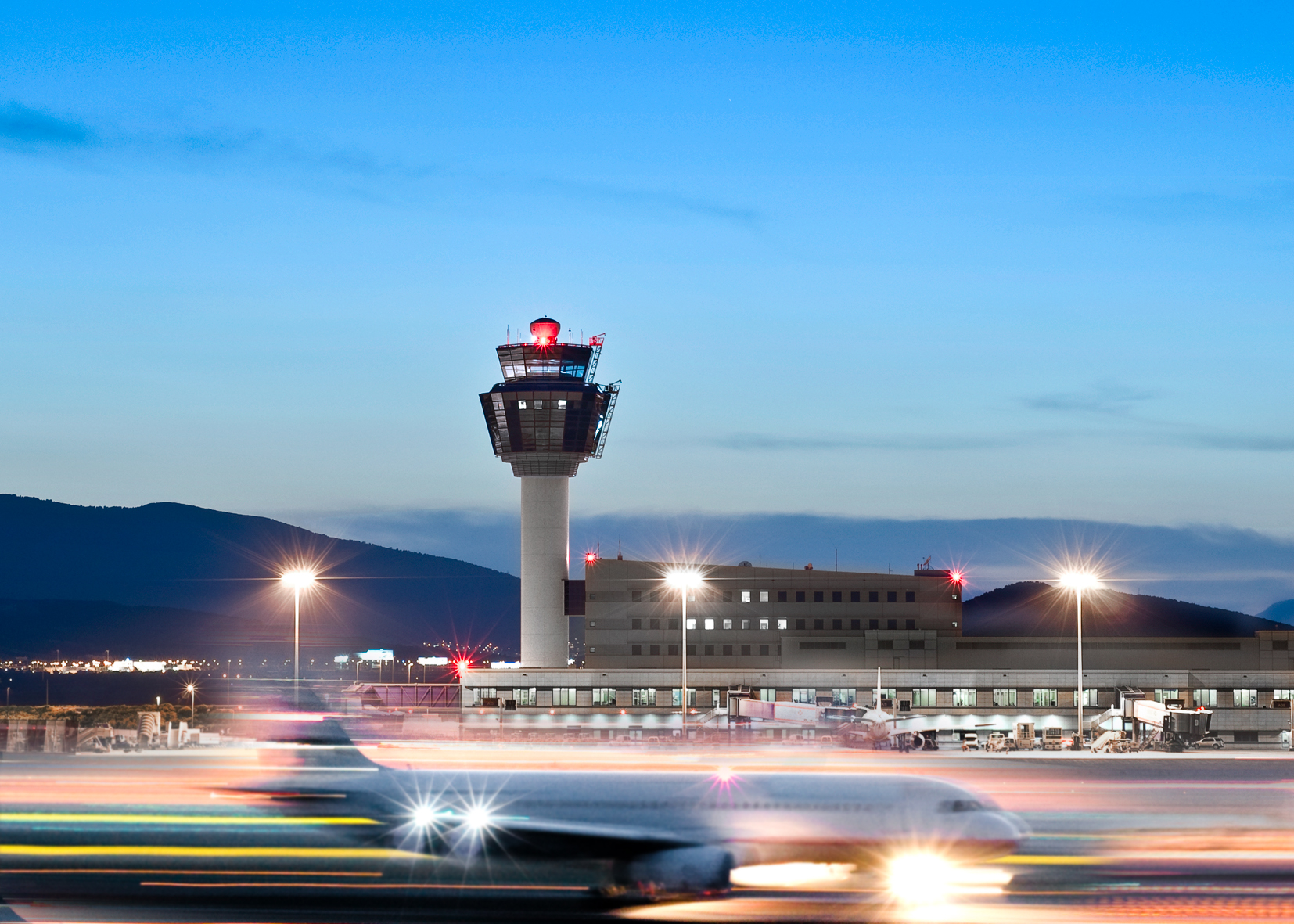
Against the backdrop of recent technical problems with Greek FIR radio frequencies, which led to a temporary halt in arrivals and departures at Greek airports, a new international study brings to the fore the issue of stressful airports in Europe and worldwide, highlighting the hubs that test travelers’ patience the most.


iSelect, an international travel insurance comparison service, conducted an extensive study analyzing 50 major airports worldwide, ranking them based on objective indicators such as flight delays, cancellation rates, ease of access to the airport, check-in and security screening wait times, and baggage, immigration, and customs experience.


In the European ranking, Lisbon Portela Airport is revealed as the most stressful, with an average departure delay time of over 27 minutes and a high cancellation rate. The following large and busy hubs are Manchester, Charles de Gaulle in Paris, Milan Malpensa, and Orly, confirming that size and intensity of operation often translate to increased stress for passengers.
Amsterdam Schiphol, London Heathrow, and Frankfurt also have significant presence on the list, airports that function as hubs for international connections, but at the same time they show high levels of delays and, in some cases, increased rates of cancellations.
For Greece, the research presents a more complex picture. Athens International Airport ranks 17th in Europe, with an average departure delay of 20.86 minutes, but has a low cancellation rate of just 0.26%. This element differentiates Athens from many major European hubs and indicates greater operational stability, despite individual delays.
Globally, the picture becomes even more revealing. Newark Liberty International Airport in the US tops the international ranking of the most stressful airports, with poor performance in almost all indicators: long wait times at customs and immigration, low satisfaction with check-in and security screening, and an average delay of over 21 minutes.
Following Lisbon, the airport confirms that the problems recorded in Europe take on even greater significance when compared on a global scale. The top five most stressful airports also include Manchester, John F. Kennedy International Airport in New York, and Chicago O’Hare, all of which have long wait times, difficult access, and congestion in common.
In contrast, iSelect’s research also highlights the least stressful airports worldwide, which are mainly from Asia. Singapore Changi Airport takes the top spot as the world’s most “stress-free” airport, with excellent performance in all indicators, from check-in and security screening to customs and access, and an exceptionally low cancellation rate.
Following the Hamad International Airport in Doha and the Incheon International Airport in Seoul, which stand out for their speed, organization, and overall service experience. These airports are world-class models, proving that investing in infrastructure, technology, and human resources can drastically reduce traveler stress.
| Ranking | Airport | City | Average Departure Delay (minutes) | % Cancellations |
| 1 | Lisbon Portela | Lisbon | 27,39 | 1,49% |
| 2 | Manchester | Manchester | 23,26 | 1,18% |
| 3 | Charles de Gaulle | Paris | 24,95 | 0,60% |
| 4 | Milan Malpensa | Milan | 21,50 | 0,86% |
| 5 | Orly | Paris | 18,12 | 1,00% |
| 6 | Schiphol | Amsterdam | 22,50 | 2,11% |
| 7 | London Heathrow | London | 25,37 | 1,21% |
| 8 | Frankfurt am Main | Frankfurt | 23,29 | 1,04% |
| 9 | London Gatwick | London | 24,74 | 0,92% |
| 10 | Leonardo da Vinci | Rome | 24,78 | 0,59% |
| 11 | Edinburgh | Edinburgh | 18,83 | 0,81% |
| 12 | Dublin | Dublin | 21,25 | 0,68% |
| 13 | Munich International | Munich | 21,39 | 0,94% |
| 14 | Copenhagen Airport | Copenhagen | 16,31 | 0,92% |
| 15 | Barcelona El Prat | Barcelona | 20,39 | 0,59% |
| 16 | Madrid-Barajas | Madrid | 23,64 | 0,50% |
| 17 | Athens International | Athens | 20,86 | 0,26% |
| 18 | Václav Havel Airport | Prague | 17,10 | 1,07% |
| 19 | Oslo Gardermoen | Oslo | 15,38 | 0,71% |
| 20 | Budapest Ferenc Liszt | Budapest | 16,51 | 0,53% |
| 21 | Zurich Airport | Zurich | 23,21 | 0,92% |
| 22 | Split Airport | Split | 8,98 | 0,43% |
| 23 | Vienna International | Vienna | 17,08 | 0,70% |
As Adrian Bennett, General Manager of iSelect, notes, knowing which airports are more likely to cause delays or long wait times allows travelers to prepare better, either by giving more time before the flight or arranging travel insurance in advance.
The research findings are particularly significant in the current situation, reminding us that the airline network remains vulnerable to technical and operational problems — and that the reliability of airports is a critical factor in the experience of the modern traveler.